By Juliet Ebirim
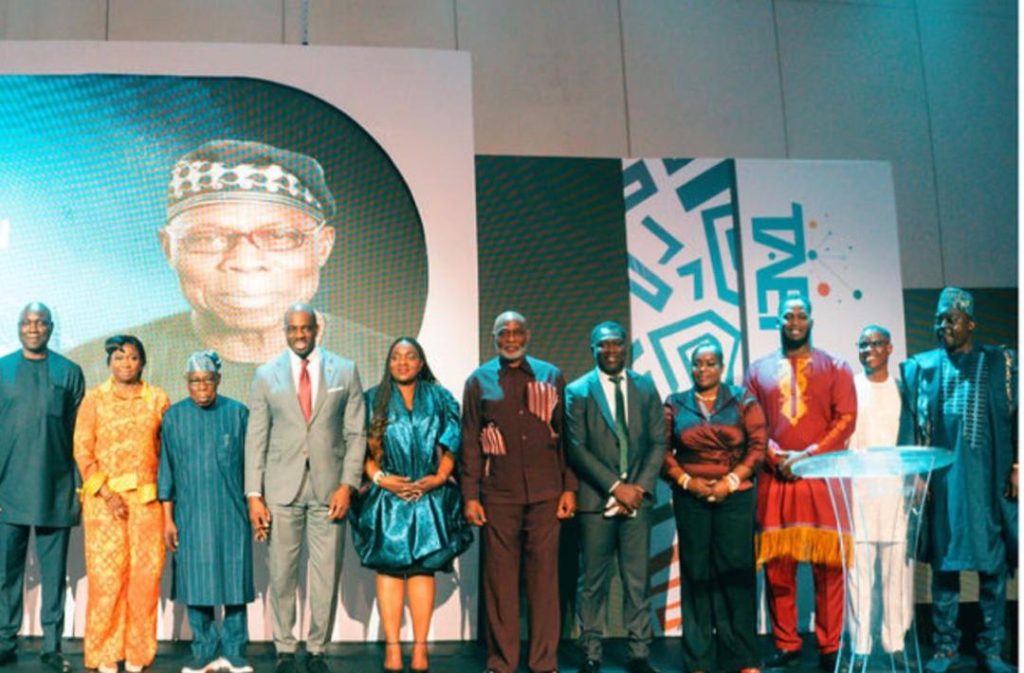
Conversations around entrepreneurship, culture and Africa’s place in the global economy shaped discussions at the Afretrade Entrepreneur’s Festival, which drew public figures, business leaders and diaspora stakeholders to Eko Hotels and Suites, Victoria Island, Lagos, from June 17 to 19, 2026.
Among those who participated in the three-day gathering were former President Olusegun Obasanjo, Chairman of the Nigerians in Diaspora Commission (NiDCOM), Abike Dabiri-Erewa, and iconic Nollywood actor Richard Mofe-Damijo (RMD), alongside entrepreneurs, investors and policymakers.
The event created space for discussions on trade, innovation, leadership and opportunities tied to stronger economic links across Africa and its global diaspora communities.
Delivering the festival’s keynote address, Obasanjo outlined what he described as four pillars for Africa’s economic advancement: entrepreneurship, leadership, infrastructure and stronger engagement with Africans abroad.
He described entrepreneurs as innovators willing to take risks and create new products and services.
“You are an entrepreneur because you are ready to take risk. You are an entrepreneur because you are innovative. You are an entrepreneur because you want to start something new. You are an entrepreneur because you want to market a product or a service. You are an entrepreneur because you want to make profit and sustain what you have begun,” he stated.
Obasanjo also linked infrastructure investment to economic prosperity and improved living conditions.
One of the keynote sessions explored business opportunities connected to the Lagos–California Sister-State Partnership. California Secretary for Transportation, Toks Omishakin, encouraged participants to adopt a more proactive approach to entrepreneurship and innovation.
“Do not wait to strike when the iron is hot, but strike to make the iron hot,” Omishakin reiterated.
In her presentation titled Diaspora as Bridge Builders, Abike Dabiri-Erewa focused on the role Africans living abroad can play in strengthening economic and cultural ties with the continent.
“I am hoping that ten years… maybe five years from now, that child in Brazil will wear clothes from the African continent. I am hoping that that family from Canada will cook with vegetables and spices from Obasanjo Farms. And that CEO in Dubai will use software built by Africans,” she said.
Dabiri-Erewa said Africa’s future growth would depend on stronger collaboration among entrepreneurs, institutions and diaspora communities.
“The future starts with the conversations we are having in this room today; to trade boldly, to trade smartly, but most importantly to trade the Nigerian way, the African way, where business builds community and profit builds pride,” she said.
She also warned against disunity among Africans and members of the diaspora, adding: “Let’s collaborate, otherwise we will collapse.”
Following the keynote sessions, Chief Obasanjo received an award from Afretrade in recognition of his contributions to leadership and entrepreneurship development, which was presented by Abike Dabiri-Erewa..
The later part of the programme turned attention to culture and the creative economy during a panel on leveraging the Lagos–California Sister-State Partnership to address economic barriers and expand opportunities across sectors. The session featured veteran actor Richard Mofe-Damijo, real estate entrepreneur Dr. Adetoro Bank-Omotoye, fashion entrepreneur Osa Olode, Facility-Bills founder Unwana Ekanem and other business leaders.
Reflecting on the role of entertainment in shaping Nigeria’s global identity, RMD argued that the country’s film industry helped establish a foundation for wider creative exports.
“It is through Nigerian films that we dominated Africa and it is through Nigerian films that we set the stage for Afrobeats,” he said.
He noted that Nollywood’s growth created cultural pathways that later supported the international rise of Nigerian music and other creative sectors.